
← Back to the case studiesVLNCY / Inside the work

01 / THE DECISION
Balance the audience.
More registrations would not solve a waitlist short of women.
What we changed
Separate the audiences. Give the scarcer side a stronger reason to join.
Planned budget split 75% women · 25% men
Historical planned allocation: 75% women / 25% men. Allocation is distinct from registration share.
02 / THE DECISION
One audience.
Several reasons to care.
Trust-led statics, creators and podcast cuts gave us different ways to explain the same product.
What we changed
Test distinct messages and formats, rather than repeat one invitation in every ad.

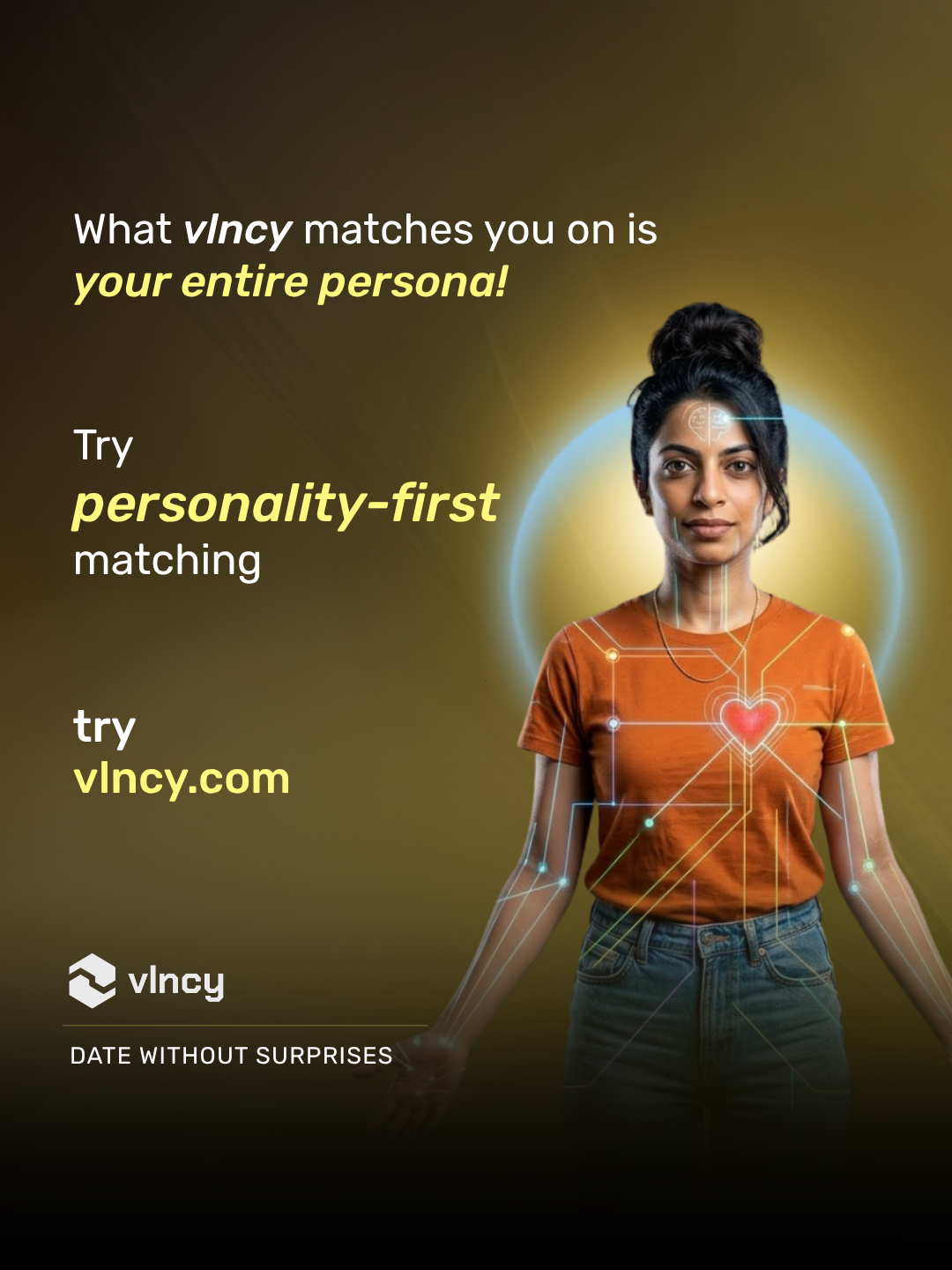
Trust-led static
A worry worth answering.
A cautious category needs a credible reason to pay attention. The creative makes trust part of the message before the registration ask.
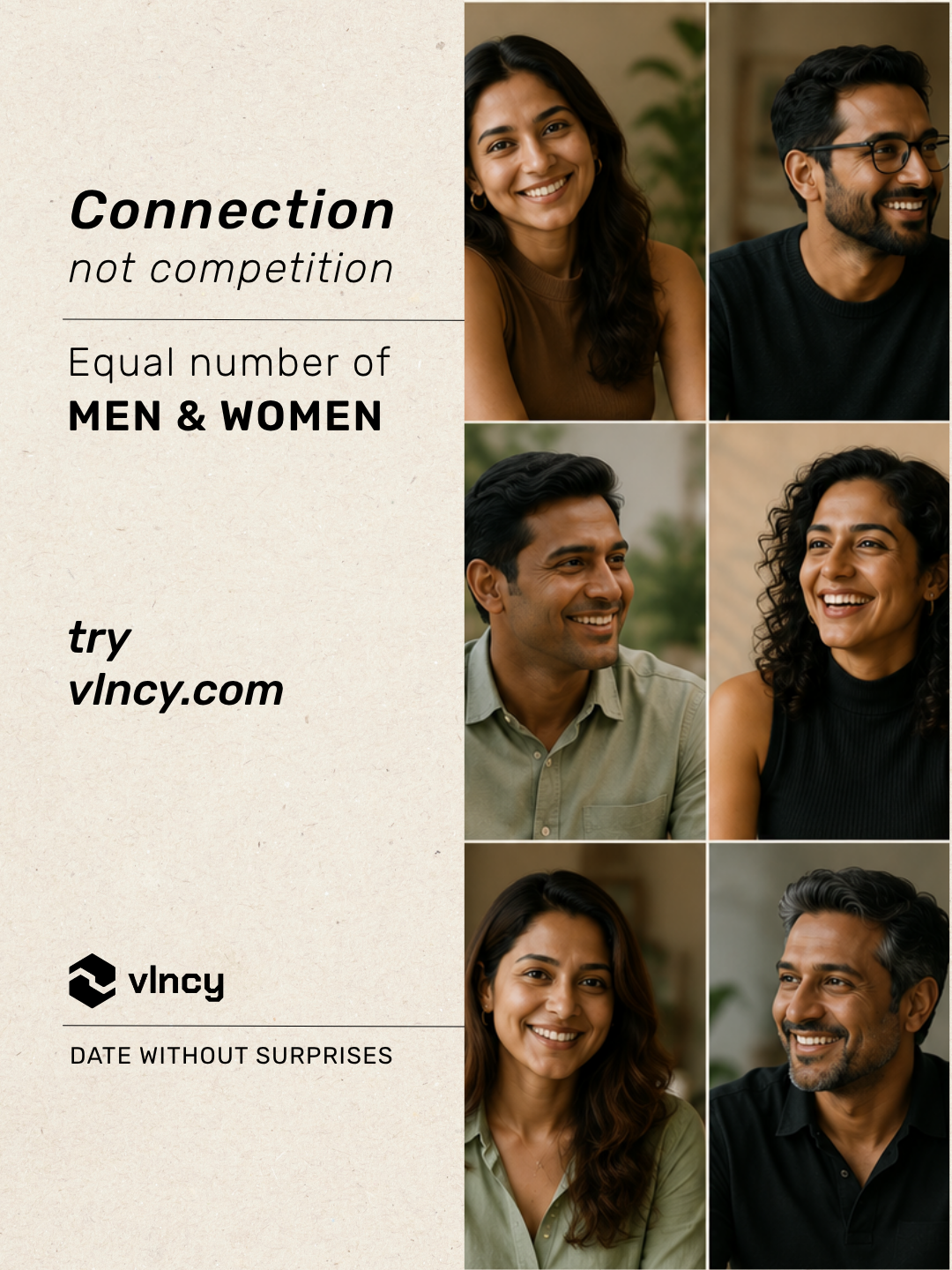
Connection-led creative
A reason beyond swiping.
Relationship intent and connection give the platform a more specific invitation than a generic dating-app promise.
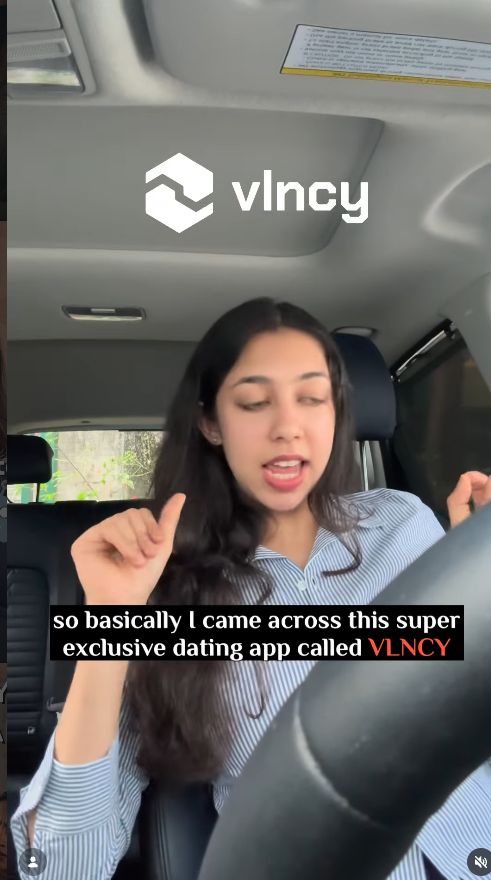
Creator-led video frame
Let a person carry it.
A woman’s view of serious dating brings a different tone and format into the feed.
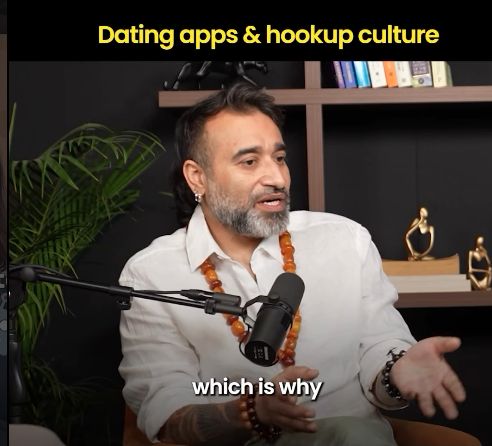
Podcast-led video frame
Give the idea room.
Longer conversations, cut for the feed, explain the product philosophy and the reasons to join.
The click is the start
of the learning.
Creative decisions need to connect to who actually registers.
Audience quality, alongside acquisition efficiencyTHE FEEDBACK LOOP
Follow the right signal.
- 01CreativeA reason to pay attention.
- 02RegistrationTrace the source of interest.
- 03Audience fitLearn who actually joined.
See the audience learning Source + historical mix ↗
 01 / The invitation
Campaign + creative UTM↘Registration source↘Audience review
Women’s monthly registration shareMeta-counted, June–August 2026. The mix did not improve in a straight line.
62%June
53%July
74%August
Simplified workflow illustration. No customer records shown.
04 / THE HIGHLIGHTS
Beyond the click.
Closer to the audience.
Selected registration, creative and audience highlights.
Higher CTR (all)
Women’s registration share
Lower cost per woman
About these highlights
The registration-event and CTR changes come from selected brand-supplied Meta comparisons; they are not account-wide averages. CTR (all) includes all ad clicks. Registration_Complete events are not independently verified retained users or revenue.
The separate 63% audience share and 61% lower cost per woman come from the existing June–August historical case record. The prior cost baseline was client-reported. These figures are distinct measures and are not combined into a single campaign result.
Recognise the problem?